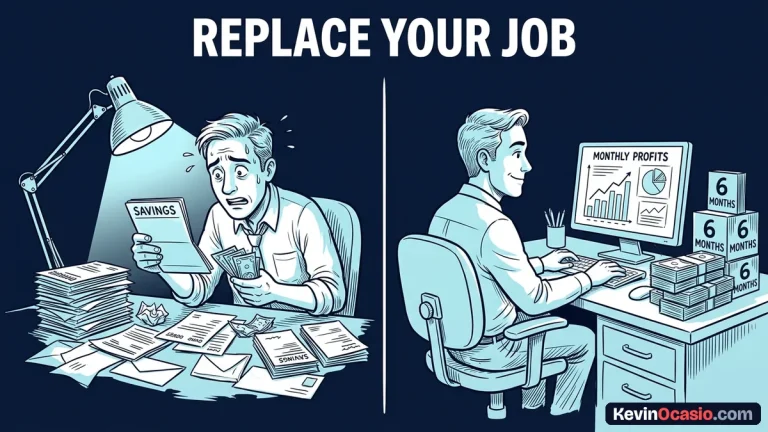
I see beginners spend money on tools before they make a single dollar. They buy fancy apps to look like a big company. That burns up their cash while leaving their sales pipeline empty.
The Short Version
- Put your money into tools that directly host your website, capture email leads, and process customer payments cleanly.
- Stay cheap on non-revenue software like complex design suites, expensive project managers, and premium automation tiers until sales pay for them.
- Protect your monthly cash reserves so you have the financial runway to test offers and build a profitable audience.
Jump to Section
- Where to Spend Money: Online Business Foundations That Drive Sales
- The Traps Where Beginners Waste Real Cash
- How to Stay Cheap on Everyday Tools Without Hurting Growth
- A Realistic Spending Breakdown for a Solo Business
- Build Your Foundation Before Upgrading Your Stack
- Frequently Asked Questions About Where to Spend Money Online
Where to Spend Money: Online Business Foundations That Drive Sales
When you start selling on the web, only a few tools touch your buyers. Your site must load fast without crashing. Your order forms must take credit cards without bugs. You also need a direct line to your email list.
Spend your money on fast, reliable web hosting on day one. If your landing page takes five seconds to open, visitors leave right away. They bounce before they ever see what you sell.
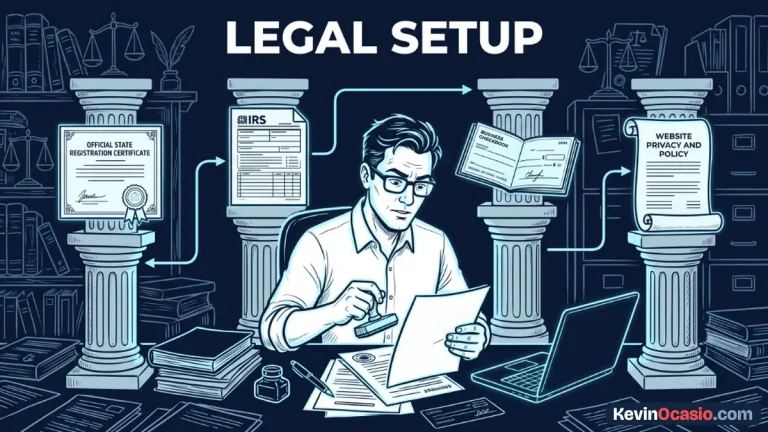
Your domain name is the next spot where you can’t cut corners. Buy a clean dot-com name through a trusted registrar so you own your brand. Never park your site on a free subdomain that you don’t own.
Order processing earns every dollar you spend on it. A good checkout form shows your price clearly. It collects buyer details fast and sends digital files right away. It does the job without any manual work.
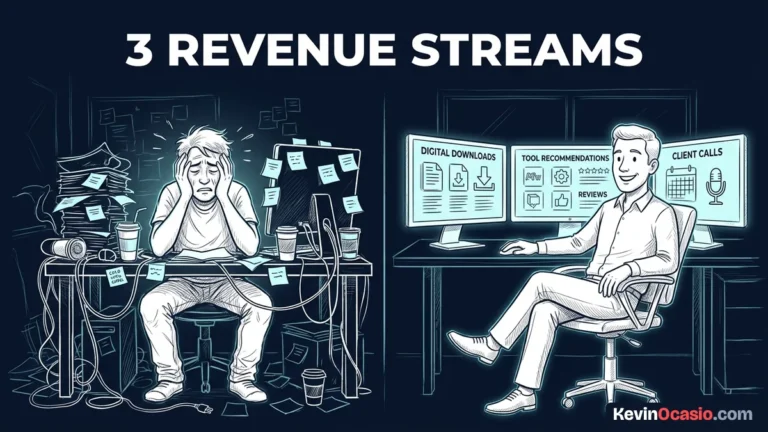
These core parts make up your main sales engine. Fast hosting keeps you online so visitors can find your site, and a clean checkout lets them pay you without friction. That gives every visitor a clear path to buy.
The Traps Where Beginners Waste Real Cash
The biggest mistake you can make starting out is buying tools that bring in zero sales. People hire logo designers before they have an offer. They buy trademark packages and pay for big team tools before making a dime.
Spending five hundred dollars on a custom graphic won’t make people trust you. Real buyers care about how you solve their problems, not the colors on your invoice.
Without steady sales coming in, cash flow problems will sink your business before you ever get off the ground. Burning your savings on apps before you make sales cuts your runway down to zero. You run out of cash before you gain traction.
You can stop paying for software you don’t need with a quick monthly audit. Check your card statements every thirty days. If an app doesn’t bring in leads or sales today, cancel it right away.
Every recurring charge is dead weight on your business. When your monthly bills stay close to zero, you don’t feel panic, and you have time to build an offer that sells.
How to Stay Cheap on Everyday Tools Without Hurting Growth
You don’t need a big budget to look like a pro. Today’s market has great free plans. These tiers let you launch full sales funnels without paying any monthly fees.
Starting out on a solid free sales funnel plan gives you all the basics. You can collect your first two thousand email contacts and sell your digital items without paying twenty or thirty bucks a month.
Free design tools handle your daily graphic work. You can crop images and build simple mockups for zero dollars. You don’t need a paid graphics tool just to make a blog banner.
Simple email inboxes handle customer questions with ease. A basic contact form works fine when you start. Paying for a support desk before you get daily tickets just wastes your cash.
Staying cheap on extra tools keeps your head clear. You don’t spend hours tweaking complex settings, which leaves your entire day open for writing content and finding buyers.
A Realistic Spending Breakdown for a Solo Business
You might feel like launching an online business requires hundreds of dollars in monthly software. You can actually run a lean, profitable setup for under ten bucks a month.
Here is how an expensive multi-app startup budget compares to running a lean, profitable solo stack:
| Expense Category | Overpriced Beginner Stack | Lean Solo Stack |
|---|---|---|
| Web Hosting & CMS | $45/month (Overpriced website builder) | $3 to $5/month (Self-hosted WordPress) |
| Domain Name Registration | $25/year (Markup registrar with upsells) | $10/year (Direct wholesale registrar) |
| Sales Funnels & Lead Capture | $97/month (High-tier funnel suite) | $0/month (Generous free tier) |
| Design & Visual Branding | $500 (Agency logo and brand kit) | $0 (Free design tools and simple fonts) |
| Checkout & Cart Software | $79/month (Subscription checkout app) | Standard pay-as-you-go processing fees |
| Customer Support Desk | $30/month (Team ticketing software) | $0/month (Simple dedicated email inbox) |
Running the expensive setup costs over $250 every month before you make one sale. Running the lean setup costs under $10 a month. That gives you plenty of runway to test your ideas without stress.
That $240 gap is what keeps you in the game. When your fixed bills are low, you can breathe easy. You can adjust your marketing without sweating every billing date.
Build Your Foundation Before Upgrading Your Stack
The best rule for managing money online is simple: let your sales pull your software stack forward. Never upgrade a tool based on what you hope to make next year.
Wait until you hit the hard limits of your free tools. If a free email plan gives you two thousand contacts, stay on it. Don’t spend a cent until subscriber two thousand and one signs up.
Once you have steady sales coming in every week, you can grow. You can add a dedicated email autoresponder for deep list tags and broadcast schedules. Because you have sales, the new tool pays for itself.
Review your bank card on the first day of each month and look at every recurring charge. Any tool that didn’t help a customer or save you time gets cut on the spot.
Starting lean doesn’t mean you’re thinking small. It means you’re protecting your cash until you find what clicks. Once your offer works, you can put money back in with total confidence.
Frequently Asked Questions About Where to Spend Money Online
How much money do I need to start a basic online business?
You can launch a real online business for under $60 for your whole first year. That buys a custom dot-com name and twelve months of cheap web hosting. You can use free tools for everything else.
What is the single most important tool to pay for first?
Your web hosting and custom domain name are the top items to buy. Owning your site means you control your brand and your content. You don’t have to rely on rented platforms.
Should I pay for an expensive logo or brand identity right away?
No, paying for custom logos is a waste of cash when you start. Pick two clean fonts and one accent color. Put your energy into building an offer that people want to buy.
When is the right time to upgrade from free tools to paid software?
Upgrade only when you hit a hard limit that blocks new sales. When your email list passes the free cap, your new revenue will easily cover the bill.
Is free web hosting worth using when starting out?
Free hosting is usually a mistake. It brings slow page speeds, forced ads, and bad uptime. Paying three to five bucks a month gives you the speed your visitors want.
How do recurring software subscriptions hurt a new online business?
Monthly software bills add up fast and put heavy pressure on you to get quick sales. That unnecessary stress makes many people quit early when their cash runs dry.
Should I hire freelancers or do the initial setup myself?
Do the first setup yourself so you know how your site works. Simple site builders make it easy to launch pages in an afternoon. You don’t need to hire expensive help.