You get an exciting idea for a new business, and your brain tells you to buy tools, domain names, plus shiny logos right away. Buying apps feels like real work, but spending cash on an unproven hunch is the fastest way to empty your bank account.
The Short Version
- Never spend money on tools or legal filings until you prove someone will pay for your offer.
- Ask about past buying habits instead of asking friends if they like your concept.
- Collect three paid pre-orders with a simple one-page offer before building anything.
Jump to Section
- How to Validate Business Idea Before Spending Money
- Stop Asking Friends if They Like Your Product
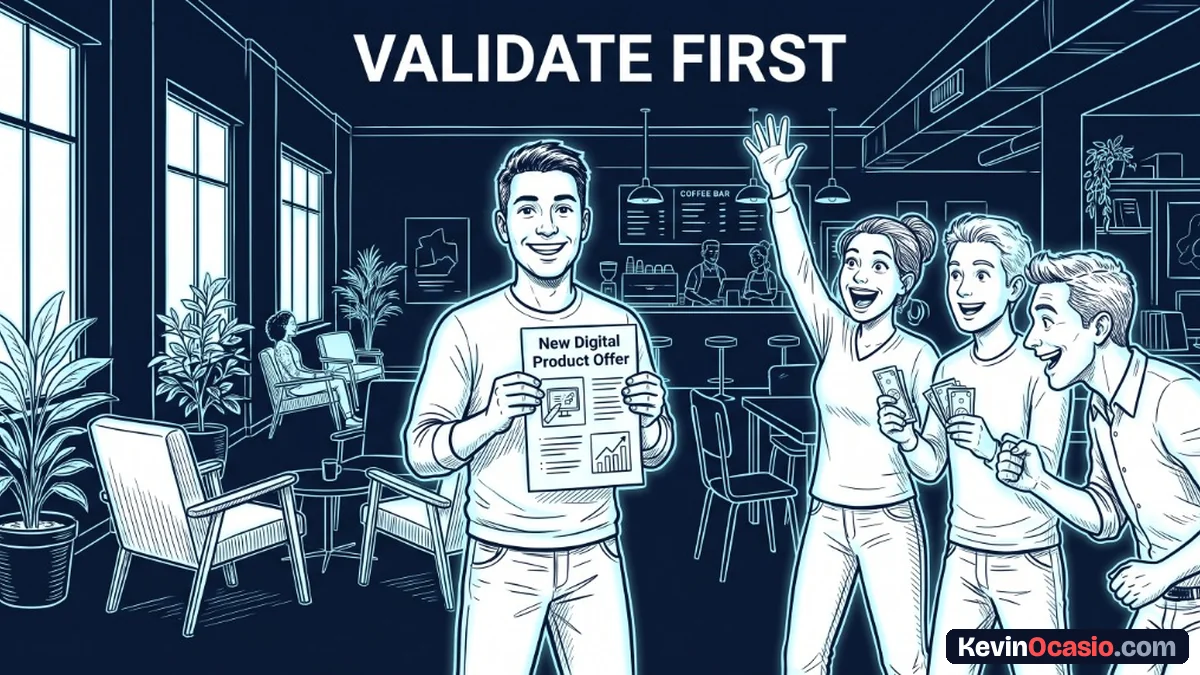
- Test Real Demand With a One-Page Presale
- Deliver the Work Manually Before You Automate Anything
- Look for Three Paid Transactions Before You Build
- Put Your Offer in Front of Real People Today
- Frequently Asked Questions About Business Idea Validation
How to Validate Business Idea Before Spending Money
It’s easy to waste weeks picking brand colors, buying domain names, and paying monthly fees for software. You spend good money before showing your offer to a single real buyer. When launch day arrives, nobody visits the site, and the card bill comes due.
You risk joining the long list of new businesses that fail simply because there’s no market need for what they built. That doesn’t mean the creator did bad work. It means they built a fix for a problem that people didn’t care enough to pay for.
Spending cash early gives you a false sense of progress. When you buy a logo or pay for an app, you only have tools for a business that doesn’t exist yet. To test an offer before spending cash, talk to real people with a blank page first. Once money changes hands, you can buy software with confidence.
Stop Asking Friends if They Like Your Product
The biggest validation trap is pitching your idea to friends or family and asking if they like it. Friends care about you and want to cheer you on. They will smile, nod, and tell you that your product sounds great.
Kind words are free, and polite praise costs nothing. When you ask someone if they would buy something later, they picture an ideal future. They think about who they hope to become, not how they spend cash on a regular weekday.
Talk to potential buyers about their past actions instead. Ask how they dealt with the specific issue during the past thirty days. Ask what apps, books, or guides they already bought to solve it, and what let them down.
If someone has never spent a dollar or an hour trying to fix that issue, they won’t buy your offer either. Real frustration leaves a clear paper trail of past spending and lost hours.
Test Real Demand With a One-Page Presale
Once you confirm that people actively spend cash on a problem, test whether your specific offer appeals to them. You don’t need a storefront, custom art, or funnels to test this step.
Build a simple outline or a clean landing page that explains your promise. State the exact problem you solve, the outcome you deliver, and the price you charge. If you have an audience, testing simple lead magnet ideas shows you who actually wants help on that topic.
Add a clear call to action that requires real effort. An email signup shows basic interest, but asking for a paid deposit proves true intent. Tell people directly that the product will ship on a set date.
When buyers put in their card details for something that isn’t built yet, you found real demand. If nobody clicks the button, you saved months of work and extra app fees.
Deliver the Work Manually Before You Automate Anything
Don’t fuss over software before you understand what your buyers actually need. You don’t need fancy portals, automated email triggers, or complex billing tools before making your first sale.
I always suggest delivering your first round of results by hand. If you plan to sell a course, teach it live as a small group workshop over video calls. If you plan to sell a digital guide or template, do the work by hand inside a sheet for each buyer.
Helping buyers by hand teaches you the exact pain points they face. You see which parts of your steps confuse them, and what brings fast relief. Doing the work yourself costs zero dollars and gives you better product clues than any survey ever could.
When you start a one-person online business with lean manual delivery, you learn what your buyers truly value. You can take that direct feedback and build your digital offer without guessing which features matter.
Comparing the common way people start projects against a lean validation workflow shows how much cash and time you can save before buying apps.
| Validation Step | The Money-First Trap | The Lean Validation Model |
|---|---|---|
| Audience Feedback | Asking friends for opinions | Auditing past spending and actions |
| Upfront Cost | $300 to $1,000 for tools and logos | $0 using free docs and direct outreach |
| Proof of Demand | Polite compliments and social likes | Paid deposits and pre-orders |
| Service Delivery | Complicated automated portals | Manual fulfillment and direct feedback |
| Financial Risk | High monthly software bills | Zero lost cash if the offer fails |
Look for Three Paid Transactions Before You Build
How many sales do you need before you can call an idea validated? You don’t need a hundred buyers to prove a concept works, but you definitely have to find more than one.
A single sale can come from a kind pal who wants to help you out. Two sales can be pure luck or good timing. But when three strangers give you money for an offer you pitched, you reached real proof of concept.
Securing three paid sales shows that your pitch connects with real buyers who trust your fix. Reaching true product-market fit simply means your offer solves an urgent pain that buyers actively want to pay for.
Treat those three buyers with great care. Help them, solve their problem, and collect their direct feedback. Their words will give you the proof and sales copy you need to sell to larger groups.
Put Your Offer in Front of Real People Today
Validation isn’t an academic drill that you plan in a paper journal for six months. It’s a direct conversation between you and real buyers.
Quit looking at website themes, logo makers, and legal forms. None of those assets will save an offer that nobody wants to buy. Your only goal right now is finding out if people will open their wallets for your promise.
Write down the core problem you solve on a clean sheet of paper. Reach out to five people who face that pain every week, and ask how they try to fix it today. If their answers show deep frustration, pitch your fix, name your price, and ask for the sale.
Frequently Asked Questions About Business Idea Validation
What if somebody steals my business idea during validation?
Ideas have little value without execution. Most people are too busy to copy your project. Talking openly to buyers is the only reliable way to learn if your offer solves a real problem.
How many customer interviews do I need before I know an idea works?
Running five to ten short talks with people in your target market often shows clear trends. If several people complain about the same problem and describe past spending, you found a good fit.
Is an email waitlist enough proof to start building?
An email list proves curiosity, but not payment. Asking for a small deposit or discounted pre-order gives you clear proof of real buying intent.
What should I do if nobody buys my pre-order offer?
If nobody buys your offer, be glad that you didn’t waste months building it. Ask the people who passed on your pitch what held them back, and adjust your offer or test a fresh idea.
Can I validate a service business without a portfolio?
Testing a service is easy if you offer to do the first project at a steep discount or with a money-back promise. Once you get results for one client, you have a solid story to show future buyers.
Should I form an LLC before testing my business idea?
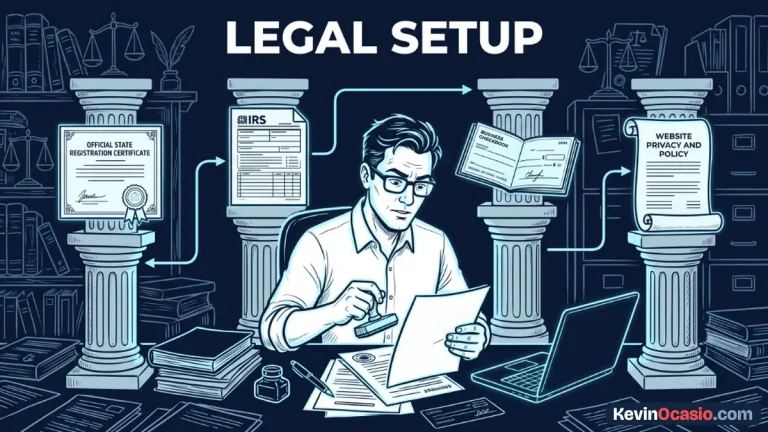
Filing legal forms and paying state fees isn’t needed to test demand. Work as a sole proprietor until you have paying clients and steady monthly cash flow.
How much money should I spend during the validation phase?
Spend zero dollars during your early validation tests. Use free text docs, direct email messages, and phone calls to test your concept before paying for any software.