You don’t need a massive business plan to pick your first online business model. You don’t need five software trials either. When you spend weeks comparing business ideas, you end up stuck in place. You question every path before you even make your first sale.
The Short Version
- Pick a simple offer with the fewest moving parts so you can make your first sale fast.
- Sell direct services or a single digital asset instead of dealing with physical stock or complex apps.
- Talk to real buyers to confirm demand before you build anything new.
Jump to Section
Why Endless Options Paralyze Your Progress
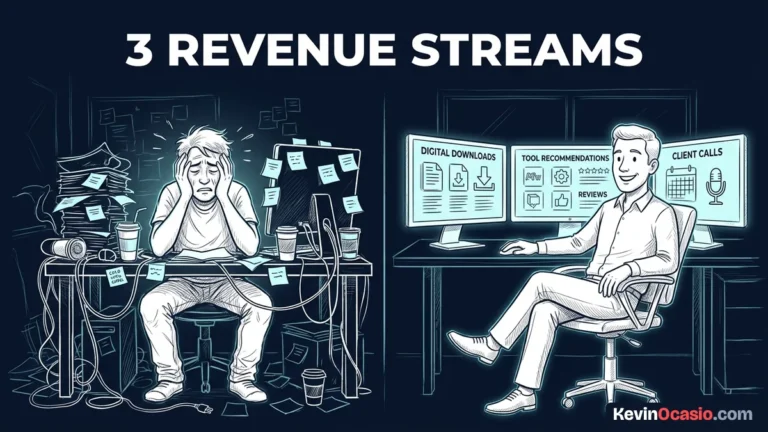
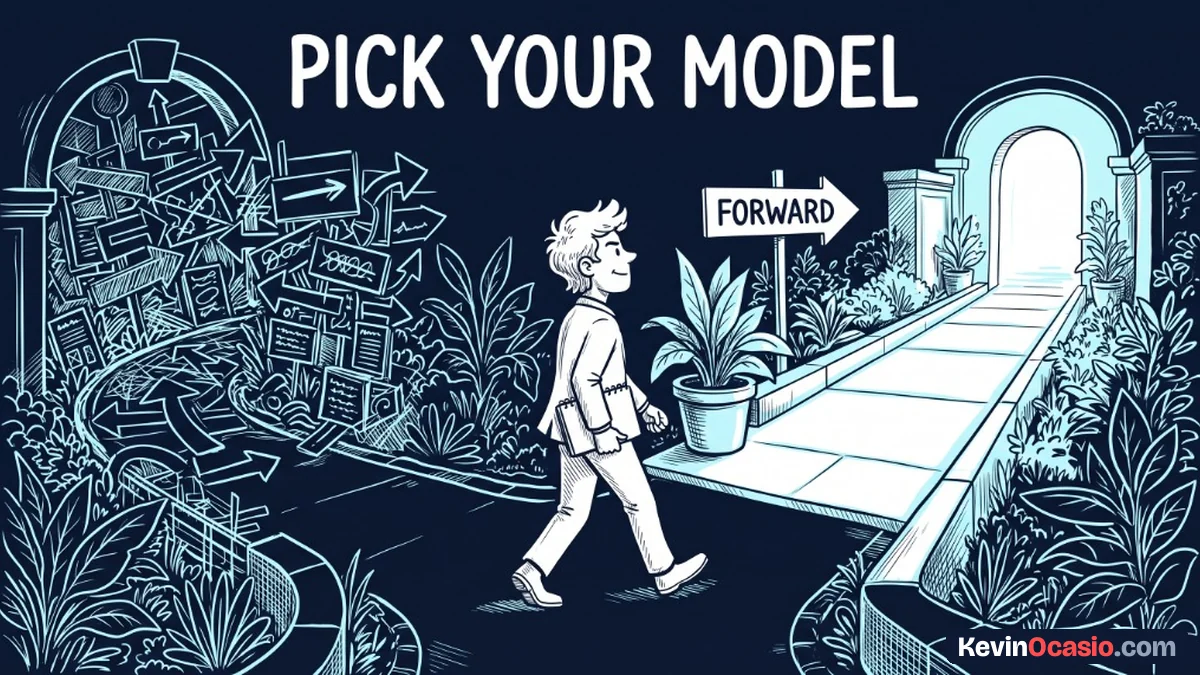
You face endless noise when looking for ways to earn online. You see videos pitching drop shipping, t-shirt shops, video channels, consulting, and paid groups. When you weigh five different setups at once, extra choices slow down your decision time until you do nothing at all.
The real trap isn’t that you lack ideas. It’s that you want to find a magic path with zero work, zero risk, and instant cash. Every model works for someone, but none of them work if you switch paths every three weeks.
You might stall because you treat choosing a business model like a lifetime deal. You worry that if you pick client work or simple cheat sheets today, you’ll have to do that forever. In truth, your first offer is just a school to teach you how web sales actually work.
Once you collect cash from a real buyer for the first time, your mind changes. You stop wondering if you can earn money online because you have real proof in your bank. That first sale gives you the push you need to grow or pivot later.
How to Pick First Online Business Model Options That Fit Your Skills
The fastest way to break the gridlock is to run your ideas through a three-part test. You need a skill you already have, a direct way to reach buyers, and zero physical stock to ship. If an idea requires waiting on boxes from overseas or buying stock upfront, cross it off your list right now.
Look at what friends, coworkers, or clients already ask you to help with. Maybe you write clean emails, edit audio, fix spreadsheet math, or set up simple websites. When you start a one-person online business, your current skills give you an early edge. You don’t have to spend six months learning a craft from scratch.
Selling a direct service is almost always the best place to begin. A service requires zero software bills, no sales funnels, and no paid ads. You just talk to people who have a painful problem. Then you offer to solve it for a fair price.
Client work also teaches you what people actually care about. After helping five or ten clients, you start seeing the exact same pain points pop up again and again. Those repeated issues show you what to package into a guide, checklist, or template later on.
The Math Behind Simple Digital Offers vs Heavy Inventory
You might lean toward physical goods or dropshipping at first because holding a product feels real. But running a web store with physical goods carries thin profit margins, often between 10% and 30%. Between supplier delays, broken items, and rising ad costs, one bad batch of returns can wipe out all your profit.
Digital files flip that math completely on its head. When you create a simple digital product like a checklist, cheat sheet, or guide, your profit margin stays above 90%. You make the file once and put it on a simple checkout page. The system sends it to buyers right away without packing a single box.
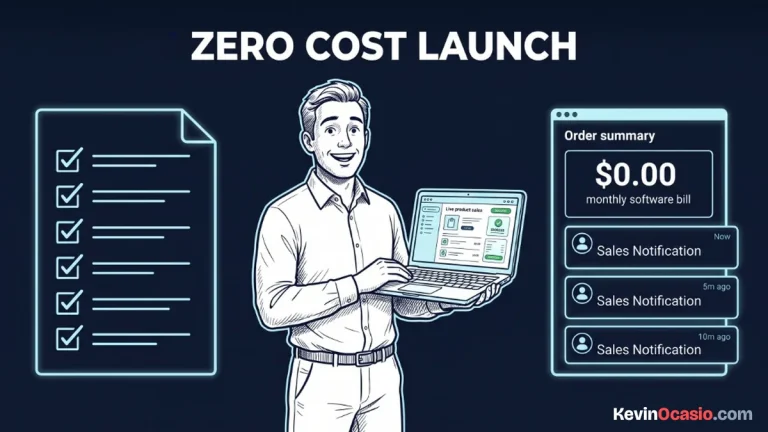
Running a lean model also keeps your monthly software bills close to zero. You don’t need a $297 monthly funnel suite or a custom app when you start out. A basic website or a free checkout tool handles everything you need until you have steady sales coming in.
Here is how the four most common beginner business models compare on startup cost, typical margins, and operational moving parts:
| Business Model | Monthly Software Cost | Typical Margin | Moving Parts |
|---|---|---|---|
| Freelance Client Service | $0 to $15/mo | 95%+ | Direct outreach and email |
| Simple Digital Product | $5 to $30/mo | 90%+ | One sales page and checkout |
| Affiliate Content Site | $5 to $15/mo | 85%+ | Website and search traffic |
| Dropshipping & Physical Goods | $50 to $300+/mo | 10% to 30% | Suppliers, ads, inventory, and returns |
Looking at the numbers makes the right path clear for a solo builder. Sticking to services or simple digital files protects your bank account while you learn to drive traffic and make sales. You avoid debt, skip stock risk, and keep your stress low.
Make Your First Dollar Before Adding Moving Parts
You don’t need permission, a fancy business card, or a clever brand name to get moving. Today, pick one small skill you can offer to someone who needs help right now. Write down a clear one-sentence pitch of the problem you solve and the price you charge.
Send that note directly to five people in your network. You can also post inside online groups where your ideal clients hang out. Don’t worry about building a full site or buying software yet. Wait until someone says yes and pays you.
Focus your time on getting that single sale across the finish line. Once you see that real people will pay you for your help, the hesitation goes away. You can always build bigger systems later. Making your first dollar today gives you the push to keep going.
Frequently Asked Questions About Choosing an Online Business Model
What is the cheapest online business model to start?
Offering a direct freelance service costs nothing to set up. You use your existing computer and email account to reach out to clients. That means your startup cost stays at zero dollars.
Should I start with client services or a digital product?
Client services bring in cash faster because you can close a deal in one chat. Once you know what problems clients face over and over, you can turn those answers into a product. A simple digital guide then sells on its own.
How long does it take to make money with an online business?
If you offer direct services, you can land a client fast. You just pitch people who need help right now. Digital products and content sites take two to six months because you must build web traffic first.
Do I need an expensive sales funnel builder right away?
No, you don’t need costly funnel tools when you start out. A basic checkout page or a simple invoice works fine until you have steady traffic to justify automated tools.
Why do so many beginner dropshipping businesses fail?
Most beginners struggle because physical stores have razor-thin profit margins and high ad costs. When supplier shipping lags or buyers return broken items, the shop quickly runs out of cash.
Can I switch business models later if I change my mind?
Yes, your first business model is never a lifetime trap. Most online builders start with freelance client work. Then they move into simple digital products. Later on, they build content sites or software.
How do I know if anyone wants to buy what I offer?
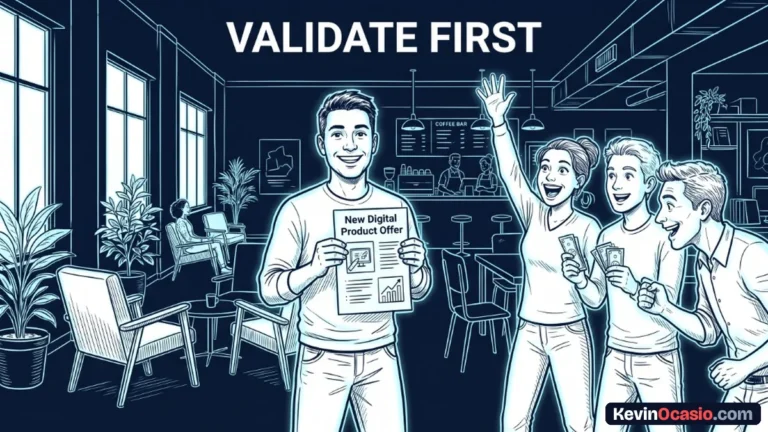
The only real test is asking someone to pay for your help before you spend months building a product. If three people buy your offer or hire your service, you know you have real market demand.