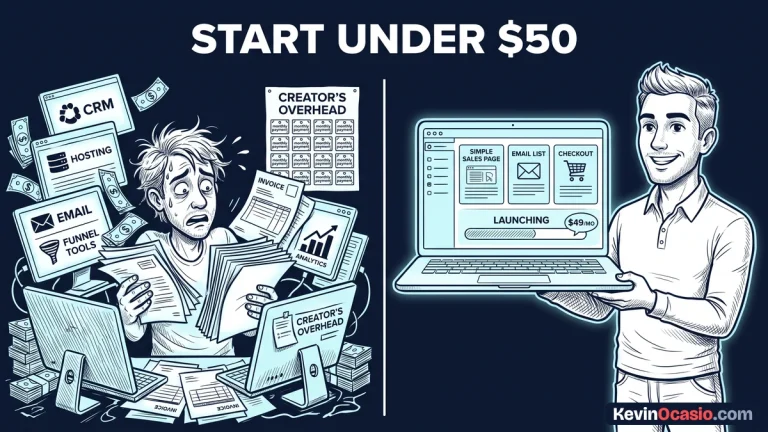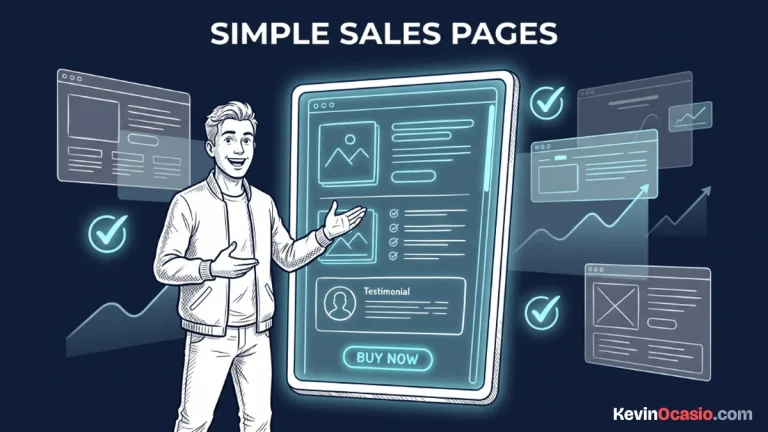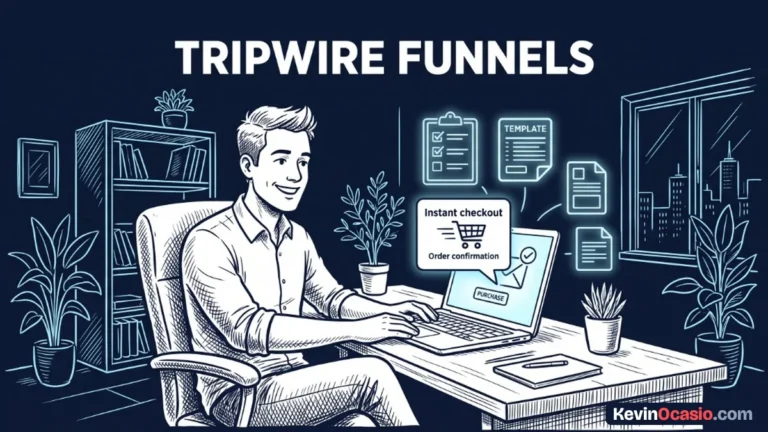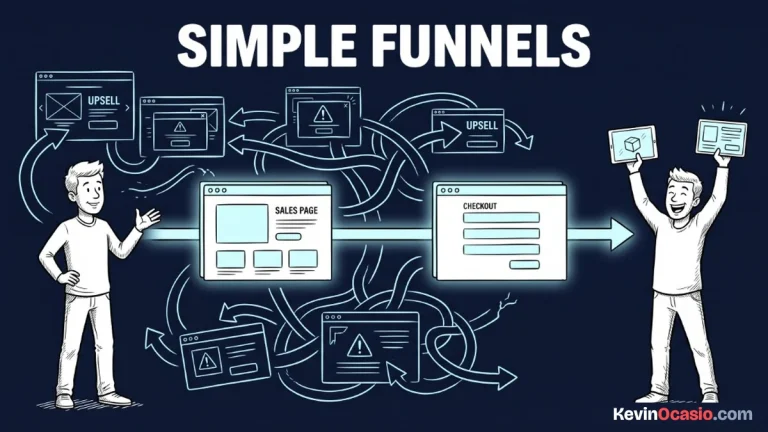
I see beginners waste their cash on costly software tools before making a dime. They buy fancy apps they don’t understand. They spend weeks picking colors and tweaking site logos. They try to look like a giant team before they even have a buyer.
The Short Version
- Pick one simple offer such as direct referral guides or digital downloads before building complex funnels.
- Keep your monthly expenses low by running on free or cheap tools until real customer payments start landing.
- Control your customer list through an email autoresponder so sudden algorithm shifts can’t wipe out your sales.
Jump to Section
Pick a Business Model That Fits a Solo Operator
Running a web business on your own means your time is strictly limited. If you sell physical products, you must pack boxes and ship orders. If you sell custom services, you spend all day on client calls. That just swaps an office desk for an exhausting freelance trap.
The cleanest models for solo operators rely on simple digital assets. You can sell basic PDF guides, write helpful product reviews, or run a small paid newsletter. These assets cost almost nothing to set up. You don’t have to pack boxes or deal with warehouse stock.
If you chase the dream of totally effortless cash, you’ll quit when progress feels slow. I’ve broken down the myth of passive income before, because every good business needs real upfront work. You have to build helpful things first before you see steady monthly pay.
Another great path for solo builders is sharing tools you use and like. When you follow solid affiliate marketing training, you help readers solve real tech problems instead of dropping spam links. Software companies pay you a fair commission when your readers sign up.
What You Need to Start One-Person Online Business Systems That Last
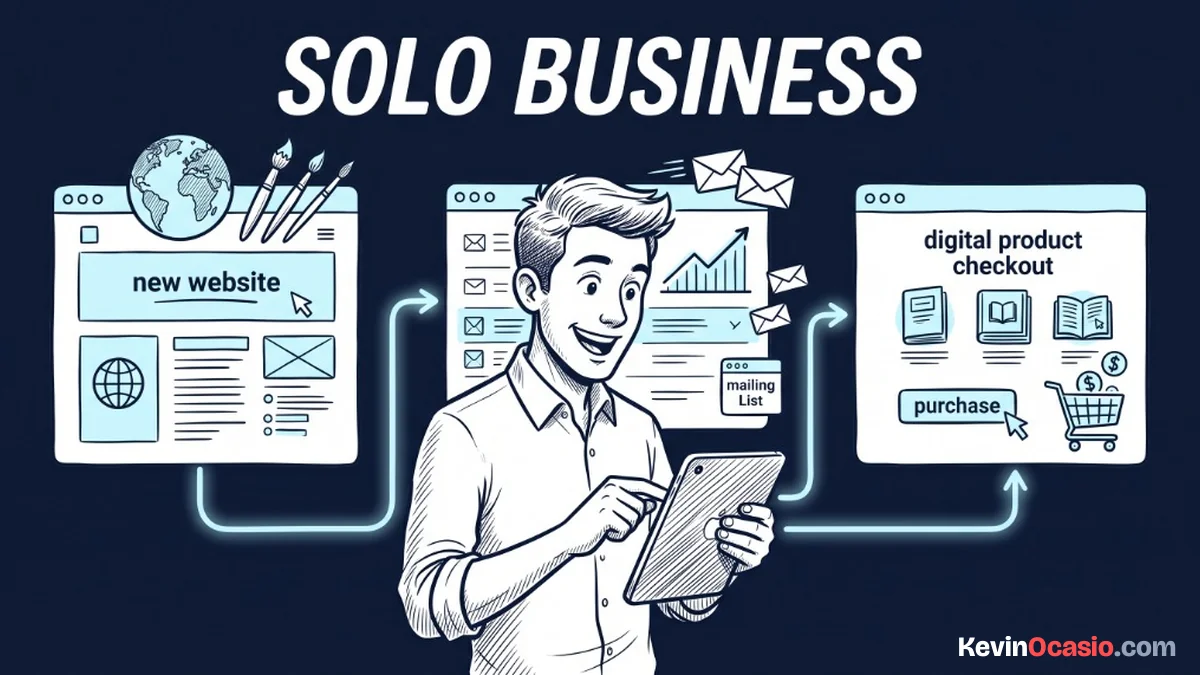
You don’t need a dozen apps to run a profitable online shop. At its core, every solo business only needs three basic parts. You need a public site, an email list, and a simple checkout page. Anything beyond that just costs money and slows you down.
A Clean Website You Control
A self-hosted site gives you total control over your pages and words. You can get dependable web hosting for just a few dollars each month. You can install free site software and keep your branding clean. If you want to see the whole setup, read my guide on how to build an online business with WordPress.
An Email Channel Directly to Buyers
Connecting a simple email autoresponder to your site lets you talk to your buyers anytime. Big social apps often cut your post reach without warning. An email inbox lets your notes land right in front of your readers whenever you send them.
A Simple Funnel and Checkout Tool
If you dislike tinkering with site code, an all-in-one sales funnel builder handles your pages, emails, and checkout in one spot. You log into one dashboard to run your whole sales flow. That lets you launch an offer fast without hiring a developer.
Here is how an expensive agency stack compares to running a lean setup as a solo operator:
| Software Category | Expensive Multi-Tool Setup | Lean Solo Operator |
|---|---|---|
| Publishing & Web Hosting | $50/mo to $150/mo | $3/mo to $5/mo |
| Email Marketing & Broadcasts | $80/mo to $200/mo | $0/mo to $15/mo |
| Sales Funnels & Checkout | $97/mo to $297/mo | $0/mo to $27/mo |
| Total Monthly Software Bills | $227/mo to $647/mo | $3/mo to $47/mo |
Guard Your Working Hours Against Admin Chaos
When you work alone, your attention is your most precious asset. You can easily lose over a third of your week to messy clerical tasks. You get stuck sorting emails, fixing broken tools, and tracking invoices. That leaves very little time to create new content or make sales.
Protect your schedule by keeping your work steps clean and simple. Storing loose notes across messy browser tabs creates a dangerous single point of failure that stops your whole workday if one tool crashes. Save your basic steps in plain text files so you never have to guess.
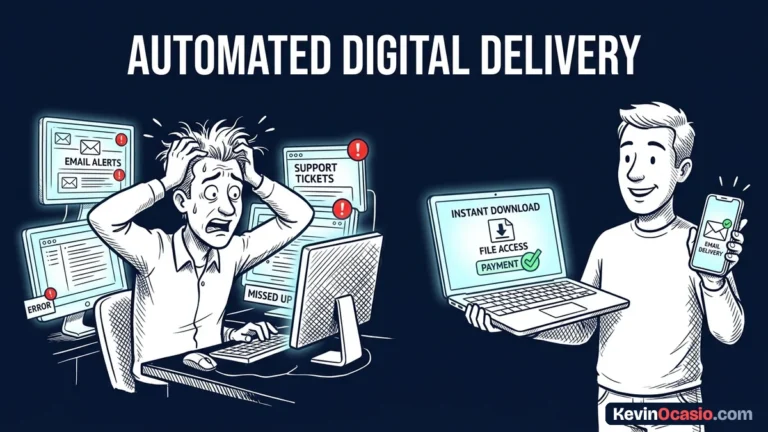
Automating file delivery is another easy way to protect your hours. When someone buys a guide, your checkout tool should email the download link right away. That frees you from sending files by hand. If you want to launch on a tiny budget, read my guide on how to start an online business under 50 dollars.
Group your clerical chores into one afternoon block each week. Check your numbers, pay your site bills, and clear your inbox during that set time. That keeps your morning hours clear for creative work that brings in cash.
Launch Your First Offer Before Buying More Tools
The biggest trap for beginners is buying tools before testing an idea. Swiping your card for new software feels like hard work, but paying for apps you don’t use drains your funds. You can’t buy your way into a working business.
Create a short, helpful free guide this week to solve one clear problem. Put up a basic opt-in page and share it with people who need help. Talk to your new subscribers and ask what they struggle with most. Then build a simple paid product that solves that exact headache.
Keep your recurring software bills as close to zero as possible for as long as you can. When real customer payments start hitting your bank account, you can upgrade your tools with confidence. Build your cash flow first, and let your revenue pay for your tech.
Frequently Asked Questions About Starting a One-Person Online Business
How much money do I need to start a one-person online business?
You can start for about $35 to $50 to cover a domain name and a year of basic web hosting. Many starter software tools provide free plans for beginners, so you don’t have to take on heavy monthly costs right away.
Do I need an LLC or business entity before launching?
In most areas, you can start out as a sole owner while you test your offer and land your first few sales. Once your business brings in steady cash each month, you can set up an LLC to separate your funds and shield your personal assets.
How many hours a week does running a solo online business take?
Most solo operators put in 10 to 20 hours each week while keeping their regular day job. Once your publishing and email setups are in place, you can handle day-to-day tasks in just 5 to 10 focused hours per week.
What is the biggest mistake new solo entrepreneurs make?
The most common mistake is wasting weeks tweaking website logos and color schemes instead of talking to real buyers. You should focus on gathering subscribers and testing your offer before polishing visuals.
Can I run an online business without using social media all day?
Yes, you can build a great business without spending all day on social media feeds. Many solo operators rely on search traffic and direct email newsletters instead. An email list gives you direct access to your readers without battling social app algorithms.