You can paste links across the web for months and make zero sales. Most courses sell you on fast cash. Real affiliate marketing training teaches you how to solve a specific bottleneck for another person first.
The Short Version
- Teach the job first so buyers understand why a tool saves them hours of work.
- Build simple bridge pages to capture emails instead of sending visitors straight to merchant checkouts.
- Disclose your links clearly to build trust and stay on the right side of the law.
Jump to Section
- Why Real Affiliate Marketing Training Skips Cold Links
- Teach the Workflow Before You Mention the Software
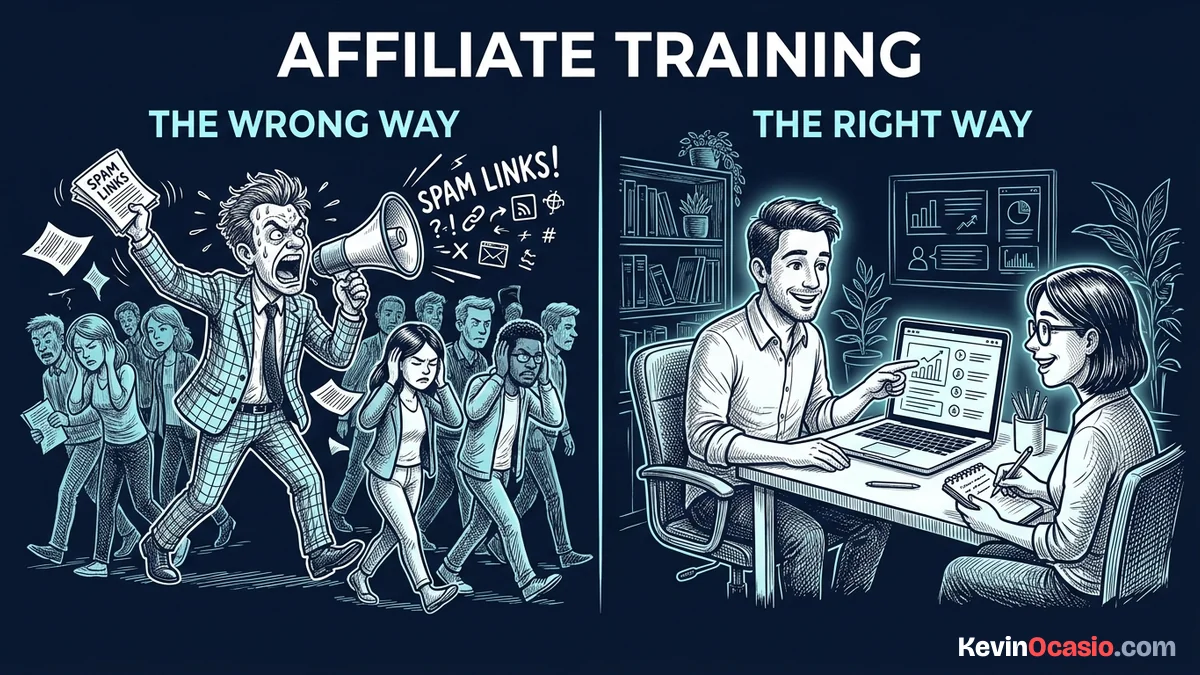
- The Two Ways People Recommend Software Online
- Capture the Audience Instead of Leaking Traffic
- Stay Transparent with Clean Disclosures
- Pick One Tool You Use and Map the Problem First
- Frequently Asked Questions About Affiliate Marketing Training
Why Real Affiliate Marketing Training Skips Cold Links
Dropping raw links into social feeds or forum threads feels like work, but it never converts. When a cold visitor sees an unprompted link to a web tool, they won’t click it. They see another pushy pitch from a stranger looking for a quick payout.
Nobody wakes up looking for a new monthly bill to add to their credit card. People only spend money when they hit a wall in their daily work. If you don’t show how a tool solves that headache, you’re asking them to take a risk for your benefit.
Cold links also get flagged by spam filters and ad networks within days. When you rely on direct vendor links, you build zero equity for your own brand. The seller keeps the buyer data, the ad platform takes your cash, and you’re left starting over every morning.
Fixing this is simple: stop acting like a digital billboard. If you want people to trust your tool tips, guide them through a real task before you ask for a click.
Teach the Workflow Before You Mention the Software
Teaching the complete job step by step makes selling easy. If you want someone to buy an email tool, don’t write an essay listing thirty features. Show them how to set up an automated welcome sequence that sends a free file to new readers.
Once the reader sees the whole job laid out clearly, the software becomes the obvious shortcut. They aren’t buying the brand name. They’re buying the fifteen hours your guide helps them save. That shift turns you from a pushy salesperson into a trusted guide.
Always test every tool inside your own daily work before you put a recommendation online. If a setup feels clunky or costs too much, say so plainly. Readers spot fake praise fast, but they stick around when you warn them about real flaws.
Focusing on the complete setup also protects you when software companies change pricing or shut down. Because your tutorial explains the core steps, you can swap in a better tool with a single link edit. You won’t have to rewrite your entire post.
The Two Ways People Recommend Software Online
Here is how blind link pitching stacks up against workflow-based tool recommendations:
| Recommendation Method | Cold Link Pitching | Step-by-Step Guides |
|---|---|---|
| Visitor Intent | Low (Interrupting social feeds) | High (Searching for a solution) |
| Trust Level | Zero (Looks like spam) | High (Shows real setup) |
| Audience Retention | None (Traffic leaves forever) | Permanent (Builds your email list) |
| Average Conversion Rate | Under 1% (Cold clicks) | 3% to 7% (High intent buyers) |
| Asset Ownership | Seller keeps the buyer | You own the tutorial hub |
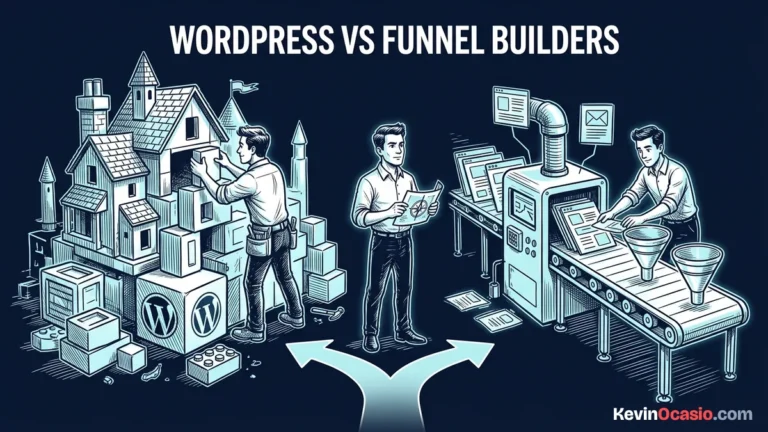
Running workflow tutorials requires a fast, simple home base where you control the page. Setting up a self-hosted site on reliable web hosting gives you full control over your layout. You manage your bridge pages and your publishing schedule without platform bans.
When you own your tutorial hub, you can organize your posts into clear paths that guide beginners from setup to launch. That setup turns single visits into longer reading sessions. Over time, that helps you earn more sales.
Your own site also lets you clean up your tracking links with neat slugs. Instead of pasting messy affiliate tags that look risky on phone screens, you give readers clean links. That builds trust right away.
Capture the Audience Instead of Leaking Traffic
Sending raw traffic straight to a seller checkout page is a major leak in your sales bucket. Most web visitors leave a page without buying anything on their first visit. If you send them away immediately, you lose that person forever.
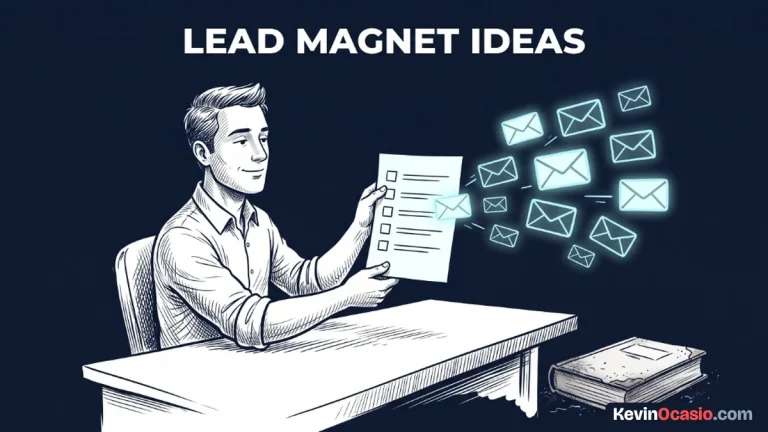
Set up a simple bridge page or use an opt-in box to collect an email address before sharing the tool. That lets you send follow-up guides and answer setup questions. You can also share other helpful tools over the next few weeks.
Sharing helpful tips with an email list brings steady results week after week. In practice, healthy newsletter click-through rates sit around two to five percent when readers trust your voice. That steady flow of clicks beats hoping for random search traffic every morning.
Building your own email list also protects your wallet. When you teach readers to build lean systems, you help them stop paying for software they don’t need. That builds deep loyalty and keeps them reading your emails for years.
Every time you send an email, you own your reach directly. You don’t have to worry about feed changes. Sudden account bans won’t wipe out your business overnight.
Stay Transparent with Clean Disclosures
Consumer rules from the Federal Trade Commission require you to disclose affiliate partnerships clearly. That means placing your note close to your links, before the reader clicks. Never hide tiny text at the bottom of the page.
You might worry that telling readers about commissions will hurt your sales, but the opposite happens. When you state openly that you earn a small cut at no added cost to the buyer, you show honesty and respect. People value straight talk, especially on the web.
Believing that cash will roll into your bank account without real work is why passive income is mostly a myth for beginners. Real operators treat tool advice as an honest trade. You test the tools, show the flaws, and earn a fair cut for helping people skip costly traps.
Your good name is the one asset that lasts across every project you build. If you push bad tools just to grab a fast forty-dollar payout, you ruin trust that took months to build. Recommend only tools you use, show why they work, and stand behind every word you publish.
Pick One Tool You Use and Map the Problem First
Open your browser bookmarks and paid tool accounts today. Pick the single tool that saves you the most time or solved your biggest headache over the past few months.
Write down the exact trouble you had before you bought that tool. List the three simple steps to set it up, and publish that walkthrough as a clear, friendly guide.
When you build your tips around real problems, you never have to beg for clicks or spam raw links. You simply show what works and share the shortcut. Your helpful tutorials will do the heavy lifting for your business.
Frequently Asked Questions About Affiliate Marketing Training
How do beginners start affiliate marketing without an audience?
Write short setup tutorials that answer specific search queries about tools you already use. Focus on solving one narrow problem per post to reach buyers who are ready to take action.
Do I need my own website to make consistent affiliate sales?
Yes. Having your own self-hosted website gives you full control over your content. It lets you collect emails and protects you from sudden social account bans.
Where should I put my affiliate disclosure on a blog post?
Put your disclosure near the top of the post or right before your first affiliate link. It must be clear and easy to spot before the visitor clicks your recommendation.
What is the difference between direct linking and a bridge page?
Direct linking sends traffic straight to the seller checkout page, losing the visitor if they do not buy. A bridge page warms up the visitor with a tutorial and collects their email first.
How long does an affiliate tracking cookie stay active?
Most software affiliate programs use a standard 30-day cookie window. If a visitor clicks your link and buys within thirty days, you earn credit for that sale.
Why do software tools pay better affiliate commissions than physical products?
Software costs very little to deliver to new users, so companies can pay 20% to 40% monthly cuts. Physical goods cost money to build and ship, so payouts stay low.